




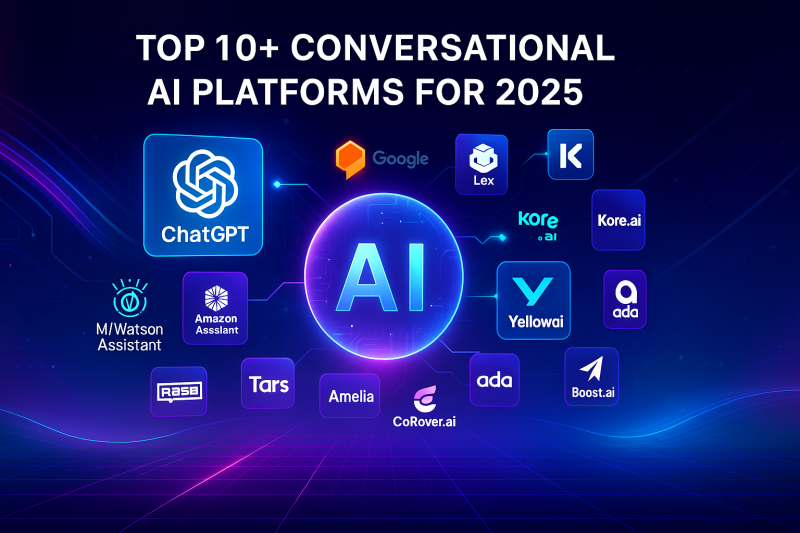
Conversational artificial intelligence has evolved from clunky, frustrating interactions to sophisticated systems capable of understanding context, maintaining coherent multi-turn dialogues, and providing genuinely helpful assistance. This transformation is reshaping how humans interact with technology and how businesses engage with customers, creating new expectations for accessibility and responsiveness.
ChatGPT's explosive growth epitomizes the conversational AI revolution. Reaching 300 million weekly active users by December 2024, the platform demonstrated unprecedented public appetite for AI-powered conversation. Users employ ChatGPT for diverse purposes including research assistance, writing support, coding help, creative brainstorming, learning, and problem-solving. This broad utility reflects the technology's versatility and accessibility.
The success of ChatGPT sparked intense competition among technology companies to develop conversational AI capabilities. Google enhanced its Bard assistant and integrated AI throughout its product ecosystem. Microsoft incorporated ChatGPT technology into Bing search and Office applications. Anthropic released Claude with emphasis on safety and helpfulness. Meta, Amazon, and other major players launched their own conversational AI offerings.
Customer service represents one of the most impactful conversational AI applications. Traditional call centers struggle with high costs, inconsistent quality, limited availability, and long wait times. AI-powered chatbots and voice assistants handle routine inquiries instantly, at any time, in multiple languages. These systems resolve a significant portion of customer contacts without human intervention, dramatically improving efficiency.
Advanced conversational AI systems understand context across multiple exchanges, remember previous interactions, and maintain consistency throughout extended conversations. They handle interruptions, ask clarifying questions, and gracefully manage topics outside their capabilities by redirecting to human agents. This sophistication creates more natural, Less frustrating user experiences than earlier generation chatbots.
Voice assistants like Alexa, Siri, Google Assistant, and newer AI-powered alternatives are becoming more capable and ubiquitous. These systems control smart home devices, answer questions, set reminders, play music, and perform countless other tasks through natural voice interaction. The technology is expanding beyond smartphones and smart speakers into vehicles, appliances, and wearable devices.
However, conversational AI faces persistent challenges. Understanding diverse accents, dialects, and speech patterns remains difficult, potentially creating accessibility barriers. Handling ambiguity, humor, sarcasm, and cultural context requires sophistication that current systems often lack. Ensuring appropriate responses across all possible conversation paths demands extensive testing and refinement.
Privacy concerns accompany conversational AI adoption. These systems process sensitive information shared during conversations, raising questions about data storage, usage, and protection. Voice assistants that always listen for wake words create surveillance anxieties. Balancing convenience with privacy protection requires careful design and clear policies.
The risk of AI hallucinations or confident misinformation poses significant challenges. Conversational AI systems sometimes generate plausible-sounding but factually incorrect information. Users may trust these responses inappropriately, especially when the AI expresses high confidence. Addressing this issue requires better model training, uncertainty quantification, and user education about AI limitations.
Enterprise adoption of conversational AI is accelerating as capabilities improve and business benefits become clear. Companies deploy AI assistants for internal employee support, IT helpdesk functions, HR inquiries, and knowledge management. These implementations reduce support costs while improving employee satisfaction with faster, more accessible assistance.
The integration of conversational AI with business systems enables sophisticated task automation. AI assistants can check inventory, schedule appointments, process orders, update records, and trigger workflows through natural language interaction. This integration transforms conversation from information exchange to actual task completion.
Personalization in conversational AI creates more valuable interactions. Systems that remember user preferences, learn from past conversations, and adapt their communication style provide superior experiences. However, personalization requires balancing usefulness with privacy concerns and avoiding filter bubbles that limit exposure to diverse information.
Multimodal conversational AI combining voice, text, and visual elements creates richer interactions. Users might describe what they want verbally while the system displays visual options. Conversational photo editing, where users describe desired changes in natural language, exemplifies this multimodal approach. These capabilities make complex tasks more accessible.
Ethical considerations in conversational AI include ensuring systems don't perpetuate biases, respecting user autonomy, maintaining appropriate boundaries, and being transparent about AI identity. Systems should acknowledge when they don't know answers rather than guessing. They should decline inappropriate requests and provide balanced information on controversial topics.
Looking forward, conversational AI will become increasingly sophisticated and ubiquitous. Emotional intelligence capabilities will enable systems to recognize and respond to user emotions appropriately. Improved reasoning and knowledge integration will reduce hallucinations and increase reliability. The technology will fade into the background as a natural interface for interacting with digital systems, fundamentally changing how humans access information and accomplish tasks.









Comments & Discussion
Join the discussion by logging into your account.