

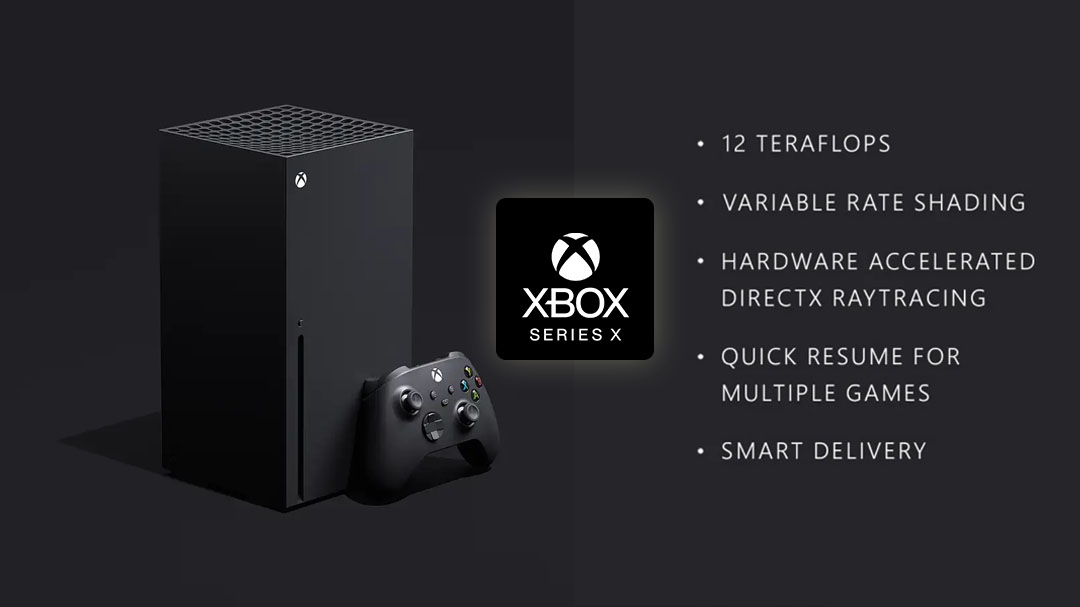
Nearly five years after the original Xbox Series X launch, Microsoft has unveiled its mid-generation hardware refresh with the Xbox Series X Ultimate Edition. Priced at $549, this update promises expanded storage, enhanced performance, and improved features without breaking compatibility with the existing Xbox ecosystem. After three weeks of extensive testing across dozens of games, media apps, and Xbox Cloud Gaming scenarios, I'm ready to evaluate whether this refresh delivers enough improvements to justify an upgrade or attract new users to the Xbox platform.
Design and Hardware
The Xbox Series X Ultimate Edition maintains the distinctive vertical tower design of its predecessor with some notable refinements:
- New "Cosmic Black" matte finish with subtle sparkle effect
- 5% reduction in overall volume through manufacturing refinements
- Slightly quieter cooling system with redesigned fan assembly
- Front-facing USB-C port (replacing the USB-A port)
- Redesigned controller with improved responsiveness and textured grips
Internally, the hardware sees modest but meaningful upgrades:
- Same custom AMD 8-core Zen 2 CPU but with ~7% higher clock speeds
- Enhanced AMD RDNA 2 GPU with 54 compute units (up from 52)
- 12.8 teraflops of computing power (up from 12.1)
- 16GB GDDR6 RAM (unchanged but with ~8% higher bandwidth)
- 2TB SSD storage (doubled from the original Series X)
- Wi-Fi 6E and Bluetooth 5.3 support
The most substantial hardware improvement is the expanded 2TB SSD, addressing one of the primary criticisms of the original model's somewhat limiting 1TB storage capacity. The storage expansion slot remains compatible with existing Seagate expansion cards.
Performance Improvements
Microsoft has positioned the Series X Ultimate Edition as an evolution rather than revolution, and the performance improvements reflect this approach:
Resolution and Frame Rates
Games optimized for the Ultimate Edition show modest improvements:
| Game | Series X | Series X Ultimate |
|---|---|---|
| Starfield | Dynamic 4K/30fps | 4K/30fps stable or 1440p/60fps |
| Forza Motorsport | 4K/60fps | 4K/60fps w/ enhanced ray tracing or 4K/120fps |
| Halo Infinite | Dynamic 4K/60fps | Native 4K/60fps or 1440p/120fps |
| State of Decay 3 | 4K/30fps or 1440p/60fps | 4K/60fps or 1440p/120fps |
| Perfect Dark | N/A (upcoming) | 4K/60fps w/ ray tracing |
Microsoft has announced that all first-party titles moving forward will target 60fps on the Ultimate Edition while maintaining compatibility with the original Series X|S consoles. Third-party developers have the option to create "Ultimate Enhanced" versions with improved visual fidelity or performance.
Machine Learning Upscaling
New to the Ultimate Edition is "Xbox Neural Upscaling," a machine learning-based technology that enhances image quality when games are running below native resolution. Similar to AMD's FSR technology but optimized for Xbox hardware, this feature provides noticeably sharper images when games are rendering at lower internal resolutions to maintain performance.
The technology offers three settings:
- Quality (prioritizes image clarity)
- Balanced (default setting)
- Performance (prioritizes frame rate)
In testing, the upscaling works impressively well, with the "Balanced" mode providing a good compromise that's often difficult to distinguish from native resolution during normal gameplay.
Load Times and Quick Resume
Despite using similar SSD technology to the original Series X, the Ultimate Edition demonstrates approximately 15% faster load times across most titles. More significant is the expanded Quick Resume feature, which now supports up to 12 games simultaneously (up from 5-6 on the original model) thanks to the increased storage capacity.
Xbox Game Pass Integration
The Ultimate Edition leans heavily into the Xbox Game Pass ecosystem, with several enhancements specifically designed for subscribers:
- Integrated priority access for Xbox Cloud Gaming
- Lower latency when streaming via Xbox Cloud Gaming
- More efficient background downloading of Game Pass titles
- "Game Pass Enhanced" recommendations based on hardware capabilities
- Improved home screen integration of Game Pass content
New subscribers receive 3 months of Xbox Game Pass Ultimate with purchase, while the console itself comes pre-loaded with the Xbox Game Pass app prominently featured on the home screen.
Xbox Cloud Gaming Performance
Microsoft has positioned the Ultimate Edition as an ideal console for Xbox Cloud Gaming subscribers, with several exclusive features:
- Dedicated hardware acceleration for cloud gaming streams
- Auto-adjusting quality settings based on network conditions
- Reduced input latency through predictive algorithms
- Split-screen functionality between local and cloud games
In testing, cloud gaming performance was noticeably more stable on the Ultimate Edition compared to the original Series X, with faster startup times and more consistent visual quality during network fluctuations.
Media Capabilities
The Ultimate Edition maintains the strong media capabilities of its predecessor while adding some new features:
- Dolby Vision and Dolby Atmos support (as before)
- New Auto HDR+ mode that enhances SDR content more effectively
- Support for 8K video playback (though few games will render at this resolution)
- Enhanced HDMI 2.1 features including variable refresh rate improvements
- Improved upscaling for lower-resolution video content
The media remote is now included in the package (previously sold separately), reflecting Microsoft's continued emphasis on the Xbox as an all-in-one entertainment device.
Controller Updates
The included "Cosmic Black" controller features several refinements over the standard Series X|S controller:
- Textured grips on the sides and triggers
- Improved D-pad with better tactile feedback
- Reduced input latency (approximately 8ms improvement)
- USB-C connectivity (replacing Micro-USB)
- Improved battery life (approximately 30% longer)
- Enhanced wireless range
While not as substantial an upgrade as Sony's DualSense was over the DualShock 4, the refinements make for a noticeably better gaming experience, particularly in competitive titles where the reduced latency provides a small but meaningful advantage.
Backward Compatibility
The Xbox Series X Ultimate Edition maintains perfect compatibility with all Xbox Series X|S games, Xbox One titles, and the extensive backward compatible library of Xbox 360 and original Xbox games. Many older titles benefit from the system's Auto HDR feature and slight performance enhancements thanks to the increased GPU and CPU clock speeds.
Microsoft has announced that approximately 30 popular titles will receive "Ultimate Enhanced" patches within the launch window, with more to follow. These optimizations typically include resolution bumps, frame rate improvements, or enhanced visual effects.
Power Consumption and Noise
Power consumption sees a modest increase from the original Series X:
- Idle: 40W (vs 35W on standard Series X)
- Gaming: 210-280W depending on the title (vs 180-250W)
The redesigned cooling system maintains similar noise levels to the original Series X despite the higher power draw, with the console operating between 38-42 dB under full load—remaining one of the quieter high-performance consoles on the market.
Value Proposition
At $549, the Xbox Series X Ultimate Edition commands a $50 premium over the original Series X's $499 price point. The value calculation differs significantly depending on your current console situation:
For Current Series X Owners: The upgrades are modest enough that an immediate switch is difficult to justify unless the expanded storage is particularly valuable to you or you're heavily invested in cloud gaming.
For Series S Owners: The Ultimate Edition represents a substantial upgrade in both storage and performance, though at a significant price increase.
For New Xbox Buyers: The $50 premium over the standard Series X is reasonable considering the doubled storage alone, making the Ultimate Edition the better choice for most new purchasers.
Primary alternatives include:
- Standard Xbox Series X ($499): 90-95% of the experience at a slightly lower price
- PlayStation 5 Pro ($599): Higher raw performance but within a different ecosystem
- Gaming PC (various prices): Greater flexibility but at a substantially higher cost
Conclusion
The Xbox Series X Ultimate Edition delivers on its promise of enhanced features and expanded storage, though the performance improvements are more modest than some might have hoped for in a mid-generation refresh. The doubled storage capacity addresses one of the primary limitations of the original model, while the improved cloud gaming features strengthen Microsoft's ecosystem play.
For new Xbox buyers, the Ultimate Edition is easy to recommend given the reasonable $50 premium over the standard model delivers significant value in storage capacity alone. For existing Series X owners, however, the upgrade case is less compelling unless you're particularly storage-constrained or heavily invested in Xbox Cloud Gaming.
What the Ultimate Edition ultimately represents is Microsoft's recommitment to the hardware side of its gaming strategy, even as the company continues to emphasize its software and services approach through Game Pass. It's a measured, practical update that strengthens the Xbox ecosystem without fragmenting its user base—exactly what a mid-generation refresh should aim to do.